You feel fine. You stay busy. Nothing hurts. So why bring up your bones at a midlife visit? Because bone loss can happen quietly, long before a broken bone gets your attention. [1]
Think of bone health like the supports under a house. You want to know how they are holding up while the house is still standing. A thoughtful risk review can help you decide whether testing belongs on your calendar.
Feeling strong does not measure bone density
Osteoporosis weakens bones and raises the chance of a fracture. It often has no symptoms until a bone breaks. It affects both women and men. For many women, it starts developing around the menopause transition. [1]
A bone mineral density test measures minerals in bone. The most common test is called DXA or DEXA. It usually looks at the hip and spine. Results help identify osteoporosis, estimate fracture risk, and monitor treatment. [2]
Ask what the test would help your clinician decide. A useful test should lead to a clearer plan.
Who should ask about screening?
The U.S. Preventive Services Task Force recommends screening women age 65 and older. It also recommends screening postmenopausal women under 65 when risk assessment shows an increased chance of an osteoporotic fracture. [3]
For younger postmenopausal women, the first step is reviewing risks. These include low body weight, a parent who had a hip fracture, smoking, and excess alcohol use. A clinician may then use a risk tool to help decide whether a scan makes sense. [3]
This does not mean everyone needs a scan as soon as periods stop. It means the conversation should include your own history, not just your birthday.
Some histories need a different conversation
Tell your clinician about past fractures, especially after a small fall, and long-term steroid medicines. The routine screening guidance does not cover people who already have osteoporosis, a fragility fracture, or certain causes of bone loss. Those situations need their own evaluation. [3]
Men should bring up bone concerns, too. The task force finds too little evidence to make a general recommendation for screening men. That is a reason for an individual discussion, not proof that men's bones are safe. [3]
If you already have a report, bring it
Ask for the actual report and an explanation of the numbers. In postmenopausal women, a T-score compares bone density with that of a healthy young adult. A lower score means greater fracture risk. Younger people may need a different score and interpretation. [2]
Your age, medical history, and fracture risks matter along with the result. “A little low” is a starting point for questions, not the whole care plan. [2]
- Do my risks make testing reasonable now?
- What does this result mean for me?
- Could a medicine or health condition be affecting my bones?
- What activity is safe for my current bone health?
- What happens next, and when do we review the plan?
Give your daily habits a job
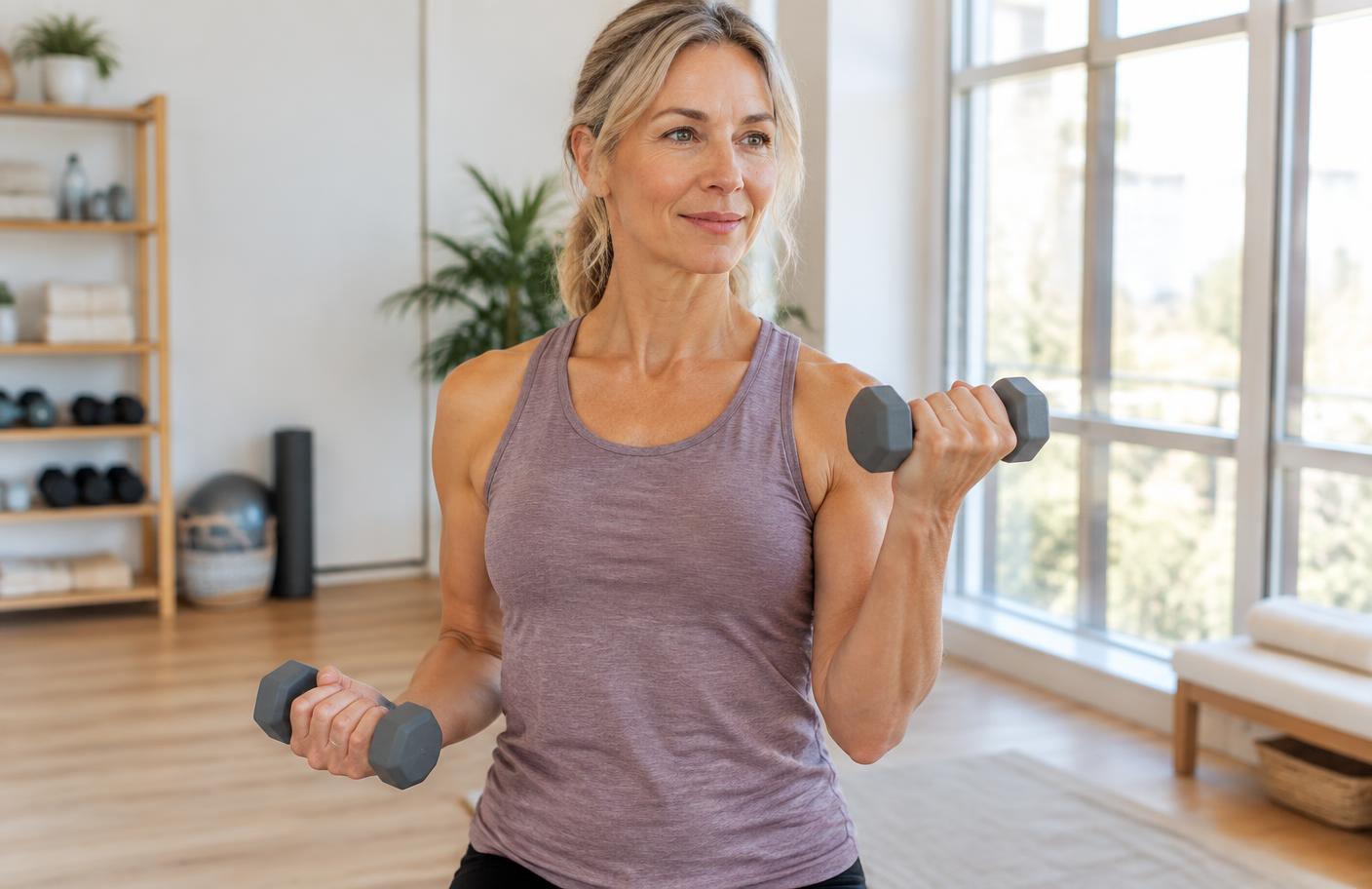
Walking, resistance work, and balance training each have a role in bone health. If you have low bone density, osteoporosis, or physical limits, get guidance before starting a new exercise plan. [4]
A neighborhood walk in Lowell can be one part of a broader routine. Our midlife walking and strength guide can help you prepare questions about movement. Nutrition matters, too. Ask whether your meals provide enough calcium and vitamin D, rather than adding supplements without reviewing your needs. [1]
A local next step
Healing Art Centers in Lowell serves Rogers, Springdale, Fayetteville, Bentonville, and nearby communities. You can explore our approach to hormone care and prepare your own midlife health questions.
For ongoing, nonurgent concerns, visit our consultation page and join the new-patient wait list. General and hormone consultations currently use a wait list. Continue any needed bone-health evaluation with your current clinician while waiting.
General education. Screening and treatment depend on an individual clinical evaluation.
Sources
Wondering if this is what's going on with you?
New general and hormone consultations currently use a wait list. Visit our consultation page for current availability and how to join.