HBOT · Lowell, Arkansas
Hyperbaric Oxygen Therapy in Northwest Arkansas
Mild hyperbaric sessions at 1.5 ATA with oxygen-enriched air supplied by a concentrator through a mask, offered in a calm, supervised setting. Serving Lowell, Rogers, Bentonville, Springdale, and Fayetteville from 213 W Monroe Ave, Suite P, Lowell, AR 72745.
Not a candidate? Your appointment fee will be fully refunded.
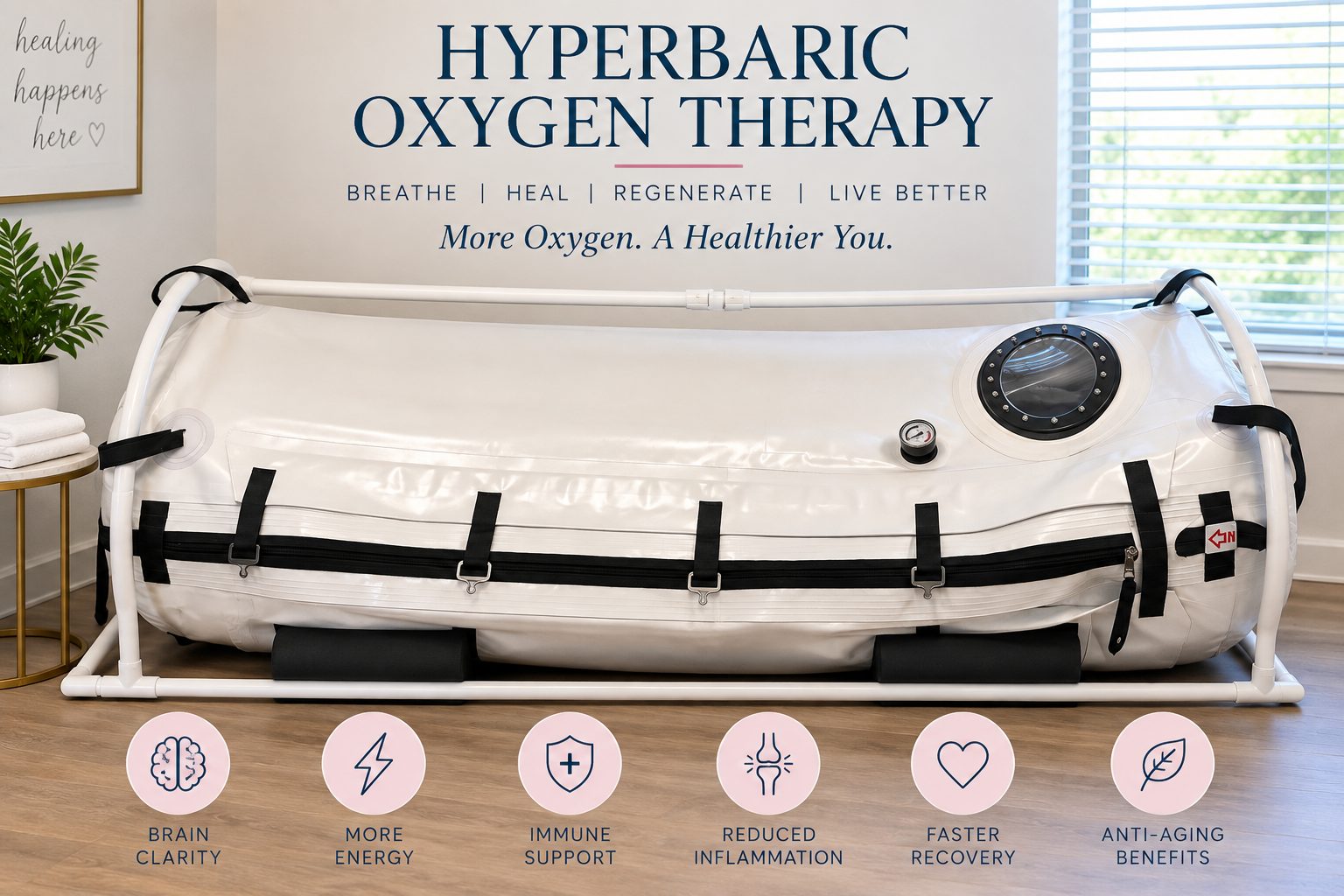
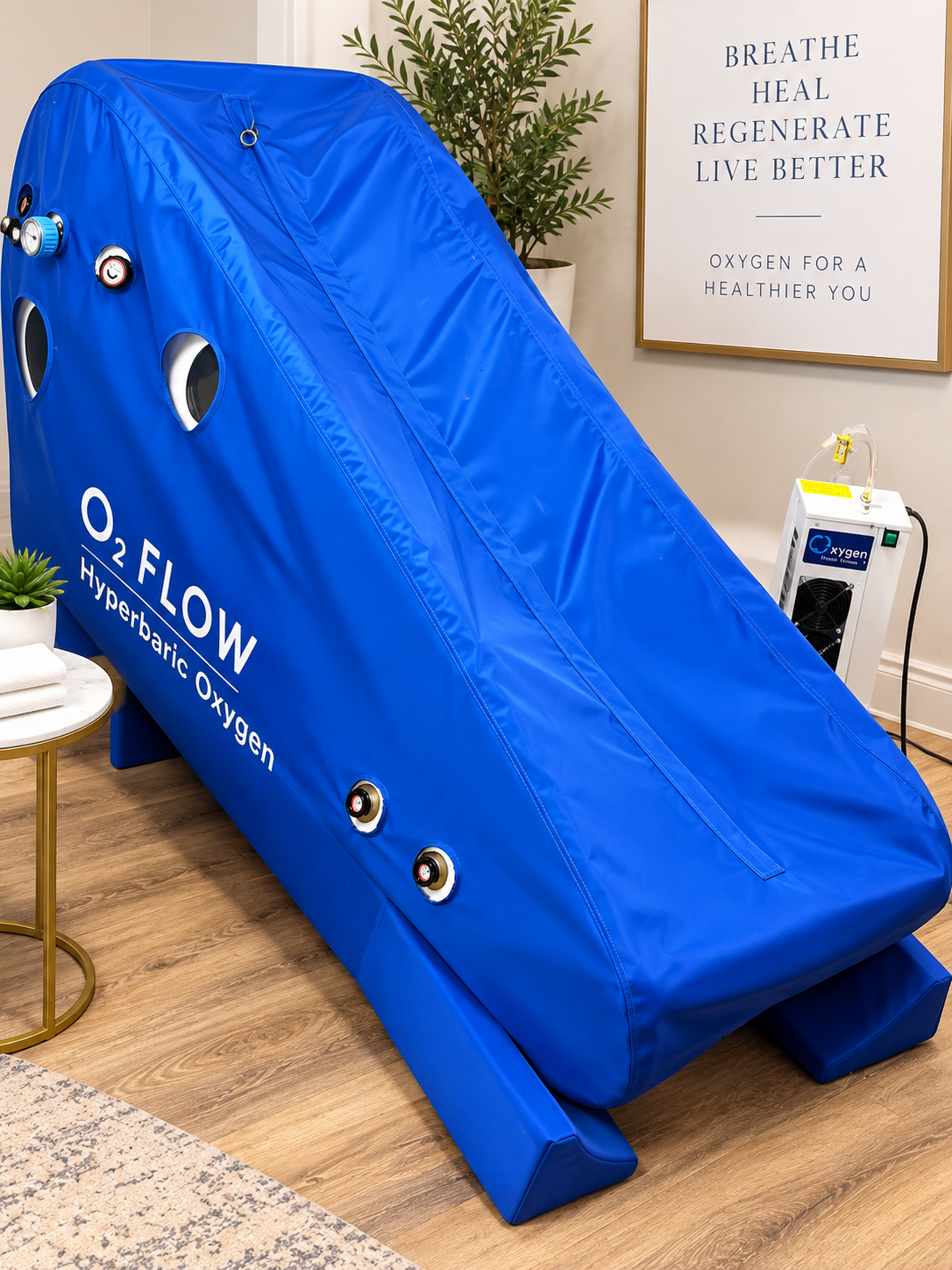
Two chambers at our Lowell clinic — a full-size chamber and the portable blue O2Flow, so we can match the session to your needs and schedule.
Why people choose HBOT
Do you have any of these?
If any of these sound familiar, our team can help you understand whether a mild hyperbaric session is a reasonable part of your care plan—or whether another level of care is more appropriate. Evidence varies by condition, pressure, and oxygen dose.
Migraines & headaches
Some people explore hyperbaric care for symptom support, but evidence is limited and it is not an established treatment for preventing migraines.
Chronic fatigue
Research into hyperbaric care for long COVID and persistent fatigue is still emerging and has used different, generally higher-dose protocols.
Inflammatory conditions
Pressure and oxygen can affect inflammatory pathways, but benefits depend on the diagnosis and treatment protocol and are not guaranteed.
Skin & wound concerns
Hospital HBOT has established uses for select complex wounds. We screen carefully and refer wounds needing hospital-level treatment.
Brain & neurologic concerns
Evidence for stroke, concussion, TBI, and neuropathy is mixed or investigational. Mild sessions do not replace neurologic or emergency care.
Wellness & recovery
Some people choose mild sessions as part of a broader recovery plan. Longevity and stem-cell regeneration claims remain unproven for this protocol.
What is HBOT?
Hyperbaric treatment places the body in an environment with pressure above normal sea-level pressure. The total oxygen dose depends on both chamber pressure and the oxygen concentration actually breathed—not simply the oxygen concentrator's output.
Our soft-sided chamber operates at 1.5 ATA. A concentrator supplies oxygen-enriched air through a mask; the concentration it delivers is not measured or independently verified on our device, and the oxygen fraction a person actually inhales depends on mask fit and flow. The chamber atmosphere itself is not pure oxygen. This is a different dose and setting from hospital-based hard-sided HBOT, so evidence from hospital protocols should not be assumed to apply to our sessions.
Hyperbaric therapy was originally developed for deep-sea divers suffering from air embolisms after a too-rapid ascent. Many people say the chamber looks like a small submarine.

A submarine and the hyperbaric chamber — both work by raising ambient pressure.
Know the difference
Our 1.5 ATA chamber vs hospital HBOT
Both involve increased pressure, but the chamber, pressure, oxygen delivery, clinical evidence, and appropriate uses differ. We do not present our service as equivalent to or a replacement for hospital-based HBOT.
Healing Art Centers
Mild, soft-sided chamber
Hospital-based HBOT
Hard-sided medical chamber
Healing Art Centers
1.5 ATA, about 7.35 psi above sea-level ambient pressure (gauge pressure)
Hospital-based HBOT
Often 2.0–3.0 ATA, depending on the medical protocol
Healing Art Centers
Oxygen-enriched air supplied by a concentrator through a mask; actual inspired concentration varies with mask fit and flow
Hospital-based HBOT
Medical-grade oxygen delivery and monitoring under a condition-specific hospital protocol
Healing Art Centers
Physician-reviewed wellness or supportive goals when a lower-pressure session is appropriate
Hospital-based HBOT
Specific urgent or established indications that need higher-pressure medical treatment and referral
Healing Art Centers
$120 one-hour session; O2 Recovery Club is $249 for 5 monthly sessions ($49.80 each); $50 consult includes a complimentary 30-minute session if eligible
Hospital-based HBOT
Prices, visit lengths, and insurance coverage vary. Ask the hospital for a current estimate and coverage details
Lower-pressure sessions can be a practical, accessible option for appropriate supportive goals, but evidence for wellness, neurologic, and anti-aging uses remains limited. Hospital care is essential for carbon monoxide poisoning, decompression illness, serious infections, and selected wounds. We screen every patient and refer when hospital-level care is needed.
Learn more from the Undersea and Hyperbaric Medical Society indications and the FDA's HBOT safety guidance.
Hyperbaric pricing
Choose the right dive plan for your goals.
Begin with a 30-minute hyperbaric consultation for $50 and receive a complimentary 30-minute session. Individual one-hour dives are $120 — and as low as $85 per dive with a larger package.
3 dives
3 treatment hours at $105/hr.
5 dives
5 treatment hours at $100/hr.
10 dives
10 treatment hours at $95/hr.
15 dives
15 treatment hours at $90/hr.
20 dives
20 treatment hours at $85/hr.
Package deals
- Buy 15 dives and receive 4 additional dives free.
- Buy 20 dives and receive 6 additional dives free.
Suggested treatment ranges
- Brain or neurologic injuries: 40 dives
- Surgical wound healing: 20 dives
- Joint injuries with PRF treatment: 5 dives
- Aesthetic surgery recovery: 10–15 dives
O2 Recovery Club
$249/month
- 5 sessions each month
- One guest pass each quarter
- 15% off additional dives
- 10% off red light or IV treatments
How our pricing compares
Hospital-based wound centers and hyperbaric departments typically bill $300 to $1,000+ per session. Those higher prices reflect advanced medical equipment, strict regulatory compliance, and hospital facility fees. Our soft-sided 1.5 ATA sessions are a lower-pressure dose in a different setting, so this is a cost comparison rather than an equivalent-dose one.
In our area, a single hyperbaric visit at a hospital is listed at $316 to $543 — about $316 in the Fayetteville region and up to $543 elsewhere in Arkansas. Our one-hour sessions are $120, and as low as $85 per dive with a package.
Healing Art Centers
$120per one-hour session
Or $49.80 each with the O2 Recovery Club ($249/month, 5 sessions). As low as $85 per dive with a 20-dive package.
Hospital-based wound centers / departments
$300–$1,000+per session
Equipment, compliance, and facility fees drive the range.
Local hospital figures are upfront prices listed on MDsave for the Fayetteville and Bentonville region and across Arkansas. Hospital pricing still varies by facility, protocol, and insurance coverage — ask any hospital for a written estimate before you book.
The dive
From 1 ATA to 1.5 ATA — and back.
Our chambers are soft-sided, mild hyperbaric chambers made of medical-grade vinyl with clear acrylic view ports. You enter through a zippered opening, settle onto the padded mattress, and can comfortably nap or read during your session.
A technician remains visible through the view port, and our two-way intercom keeps them in constant communication with you. Once your oxygen mask is fitted, the "dive" begins — oxygen-enriched air flowing in.
Sea-level ambient pressure is about 14.7 psi absolute, or 1 ATA. Our chamber operates at 1.5 ATA absolute, which is about 7.35 psi above sea-level ambient pressure on a gauge. Absolute pressure and gauge pressure are not interchangeable. You may feel gentle ear pressure, like takeoff on a flight, and will be coached to equalize your ears before a gradual return to 1 ATA.
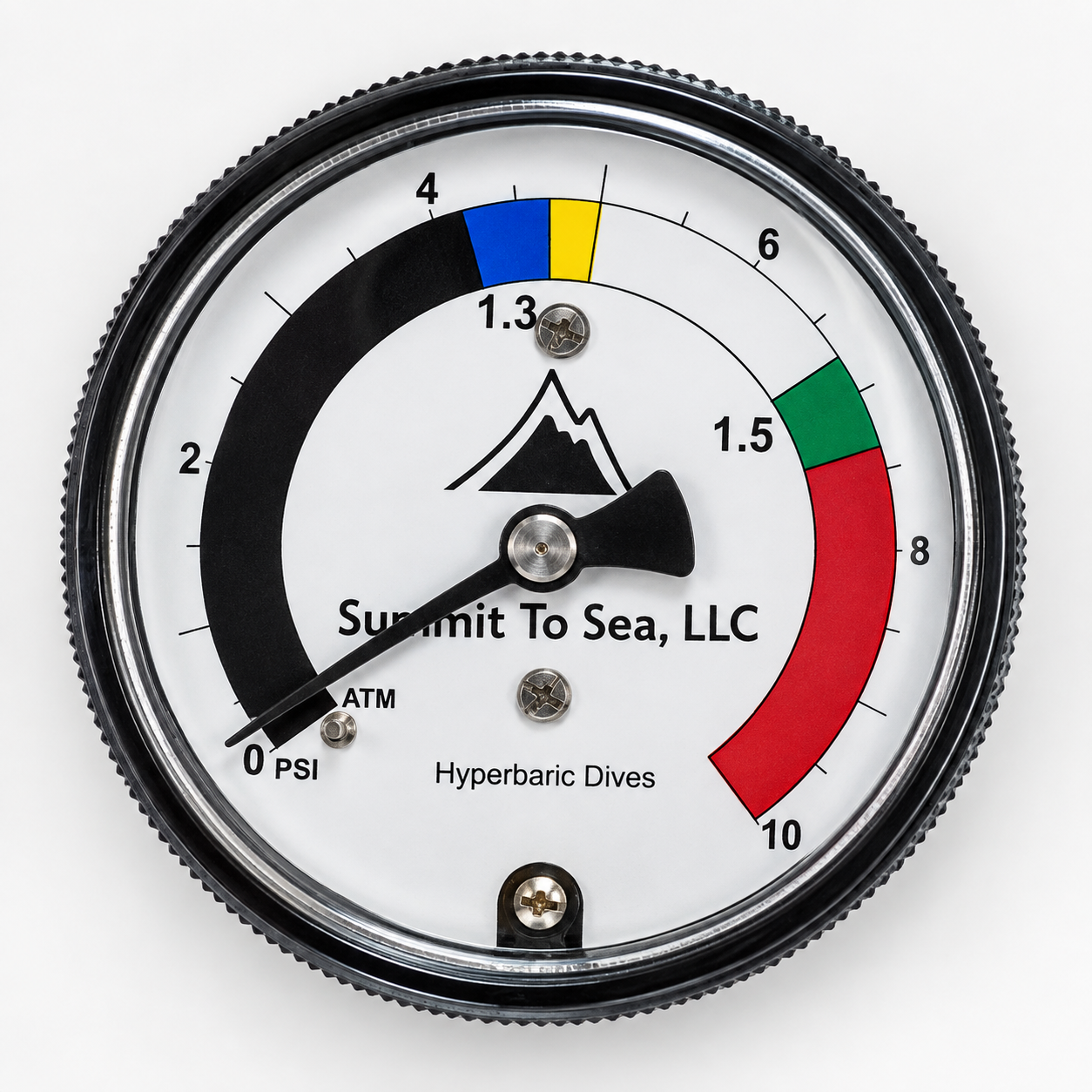
Our chamber's pressure dial; treatment is provided at 1.5 ATA.
The science
Pressure and oxygen work together.
Increased pressure can increase the amount of oxygen dissolved in plasma while oxygen is breathed by mask. The resulting oxygen exposure depends on pressure, mask fit, oxygen flow and concentration, session length, and individual physiology.
Our concentrator supplies oxygen-enriched air through a mask. The concentration it delivers is not measured or independently verified on our device, and it is not necessarily the oxygen fraction a person inhales — mask fit and flow affect inspired concentration, and a 1.5 ATA session is not equivalent to hospital HBOT.
Raises ambient pressure while oxygen-enriched air is supplied by mask.
May increase the amount of oxygen dissolved in plasma during a session.
Offers a quiet, supervised setting where many people can rest or read.
Uses a lower pressure and oxygen dose than hospital-based hard-sided HBOT.
Begins with screening by our physician-led team to assess fit and safety.
Can be considered as part of an individualized wellness or recovery plan; results vary.
Different settings, different uses
The right protocol depends on the condition.
Hospital-based HBOT has established uses for a defined group of serious conditions, including carbon monoxide poisoning, decompression illness, serious infections, and selected wounds. Those protocols use a different chamber, pressure, and oxygen dose than our mild sessions.
Migraine, long COVID, stroke recovery, concussion, neuropathy, chronic inflammation, and longevity are not established indications for this mild protocol. Research is mixed or preliminary and often studies hospital-level oxygen doses. Our team screens each person, sets realistic expectations, and refers hospital-indicated conditions when needed.
Before you start
What to expect.
When sessions are appropriate, any response can vary from person to person. We call our sessions "dives" because the chamber is pressurized to 1.5 ATA. Many people find the gradual pressure change comfortable enough to relax or nap through, although individual experiences vary.
Don't arrive sick.
Your treatment may be delayed if you have a cold, fever, high blood pressure, GI symptoms, or flu-like illness. A cold can affect ear-clearing, which could lead to inner-ear injury.

Some medications should be avoided.
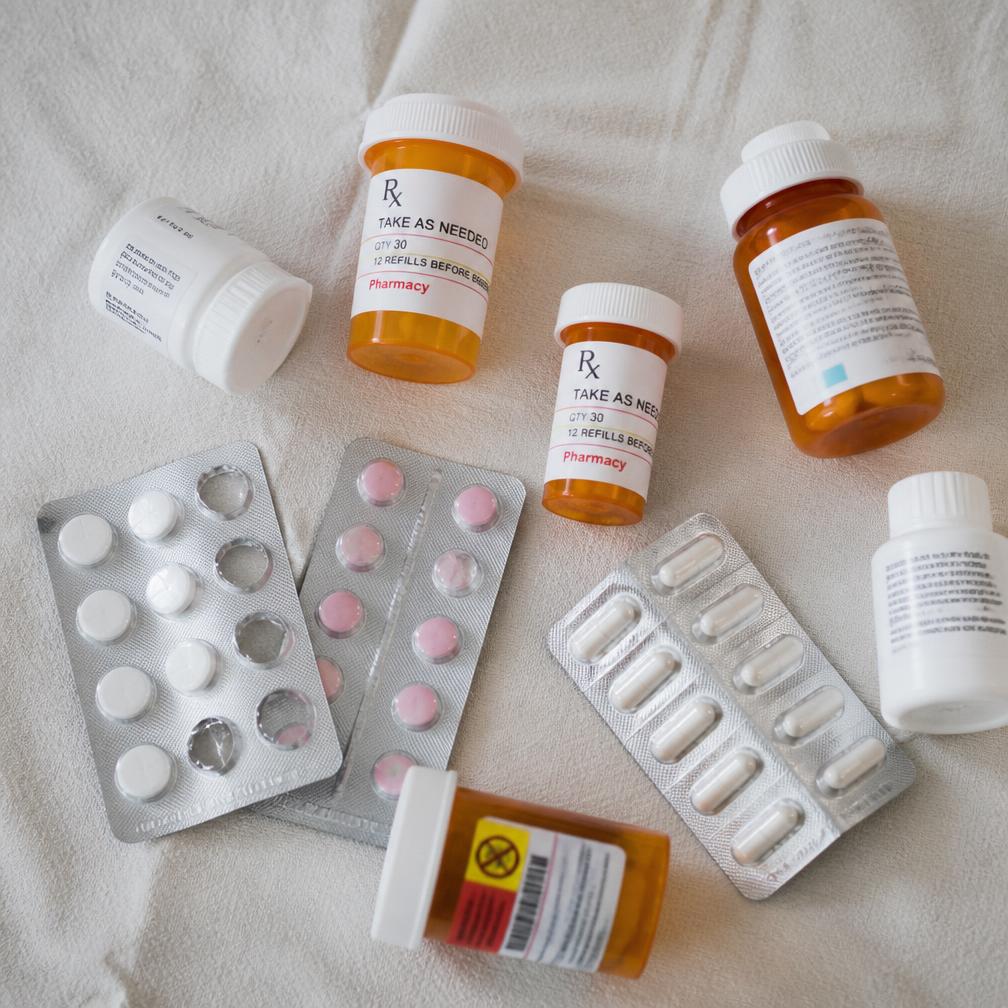
Oxygen can change the effects of certain medications — including some chemotherapies, a topical wound ointment, and a medication used in alcohol-use disorder. Tell your provider about everything you're taking.
Plan for an hour to ninety minutes.
Our standard session is one hour, with additional time for preparation and pressure changes. Frequency is individualized after screening rather than promised in advance.

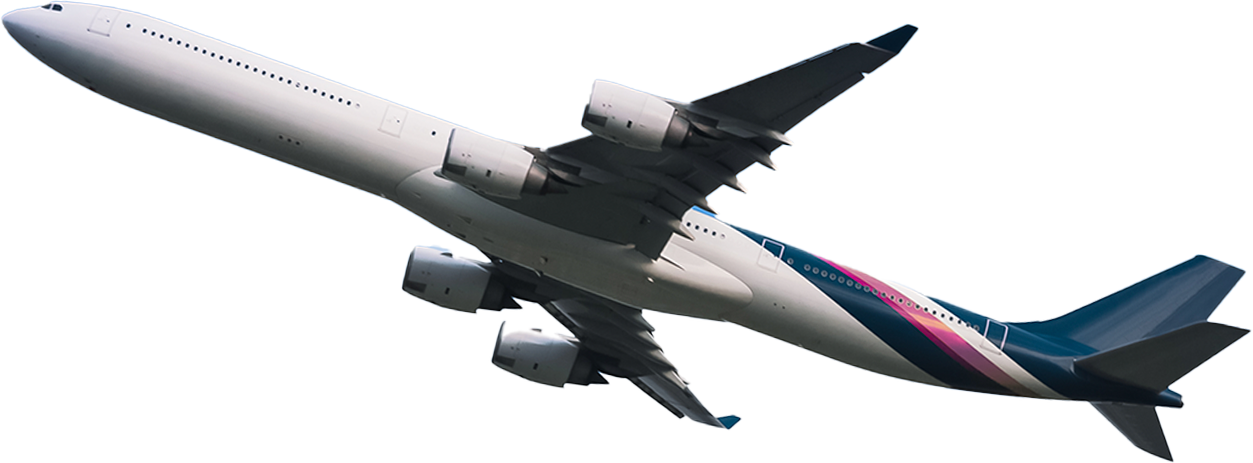
It can feel like an airplane.
As pressure builds in the chamber, so does the pressure in your ears — you may feel an ear-popping sensation, just like takeoff or descent on a flight.
Possible side effects.
Temporary ear or sinus pressure, fatigue, light-headedness, anxiety, or claustrophobia can occur. Temporary vision changes are a known risk of repeated hyperbaric oxygen exposure and may take time to resolve. Tell the team immediately about pain, numbness, breathing difficulty, or any unusual symptom.

Rare but serious risks can include oxygen-related seizures and lung barotrauma, including pneumothorax. Risk is not limited to people with emphysema, which is why medical history and possible air-trapping conditions are reviewed before treatment. Repeated hyperbaric exposure can also cause temporary vision changes and may affect cataracts.
Fire precautions apply whenever oxygen is in use. No phones, electronics, or flammable objects are allowed unless both the device manufacturer and our facility safety protocol expressly approve them. Clothing and personal-item requirements are reviewed before each session.
Regeneration
Why salamanders regrow limbs.
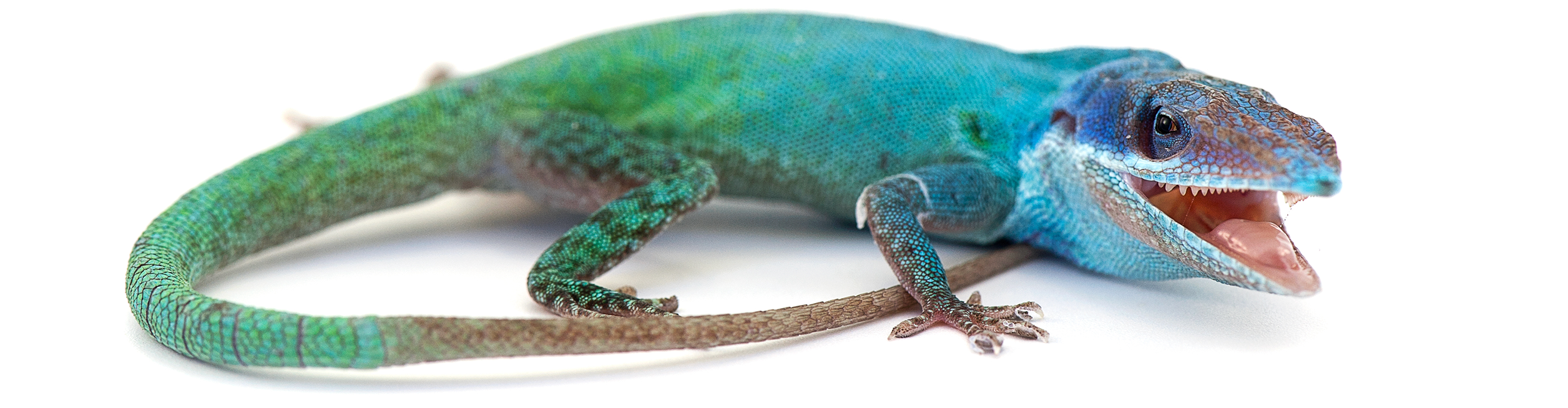
Have you wondered why lizards regenerate their tails after they drop them? Salamanders can regrow entire limbs and parts of major organs — including the heart. They're the only vertebrates that can replace complex body parts at any age.
Specialized immune cells (macrophages) and stem cells are critical in the early stages of limb regeneration. Macrophages also play a vital role in organ and tissue development in mouse embryos, signaling new growth and wound healing.
Salamander biology is an illustration of how complex natural repair can be—not evidence that a mild hyperbaric session produces the same response in people. Researchers continue to study how pressure and oxygen affect human healing pathways, and clinical results depend on the condition, dose, and individual.
Ready to take your first dive?
Schedule your first HBOT session and evaluation with Dr. Tammy and her team. If we find that you're not a candidate, your appointment fee will be fully refunded.
Questions? Get in touch.
Our staff would love to help you choose the service that's right for you.
Prefer texting? You can text us at 479-715-3928.